
Philips CPAP Foam Degradation: $1.1B Settlement & Ongoing Claims
Philips Faces $1.1 Billion Settlement Over Defective CPAP Devices
A sprawling legal battle involving millions of recalled Philips Respironics sleep apnea machines has produced a $1.1 billion settlement to resolve personal injury and medical monitoring claims. That comes on top of a separate $479 million deal covering economic losses. The consolidated litigation, known as MDL No. 3014, has been playing out in the U.S. District Court for the Western District of Pennsylvania under Judge Joy Flowers Conti. It stands as one of the largest product recall settlements in recent memory, touching the lives of countless patients who depended on these machines to treat sleep apnea and other respiratory conditions.
The Core Problem: Degrading Foam and Health Risks
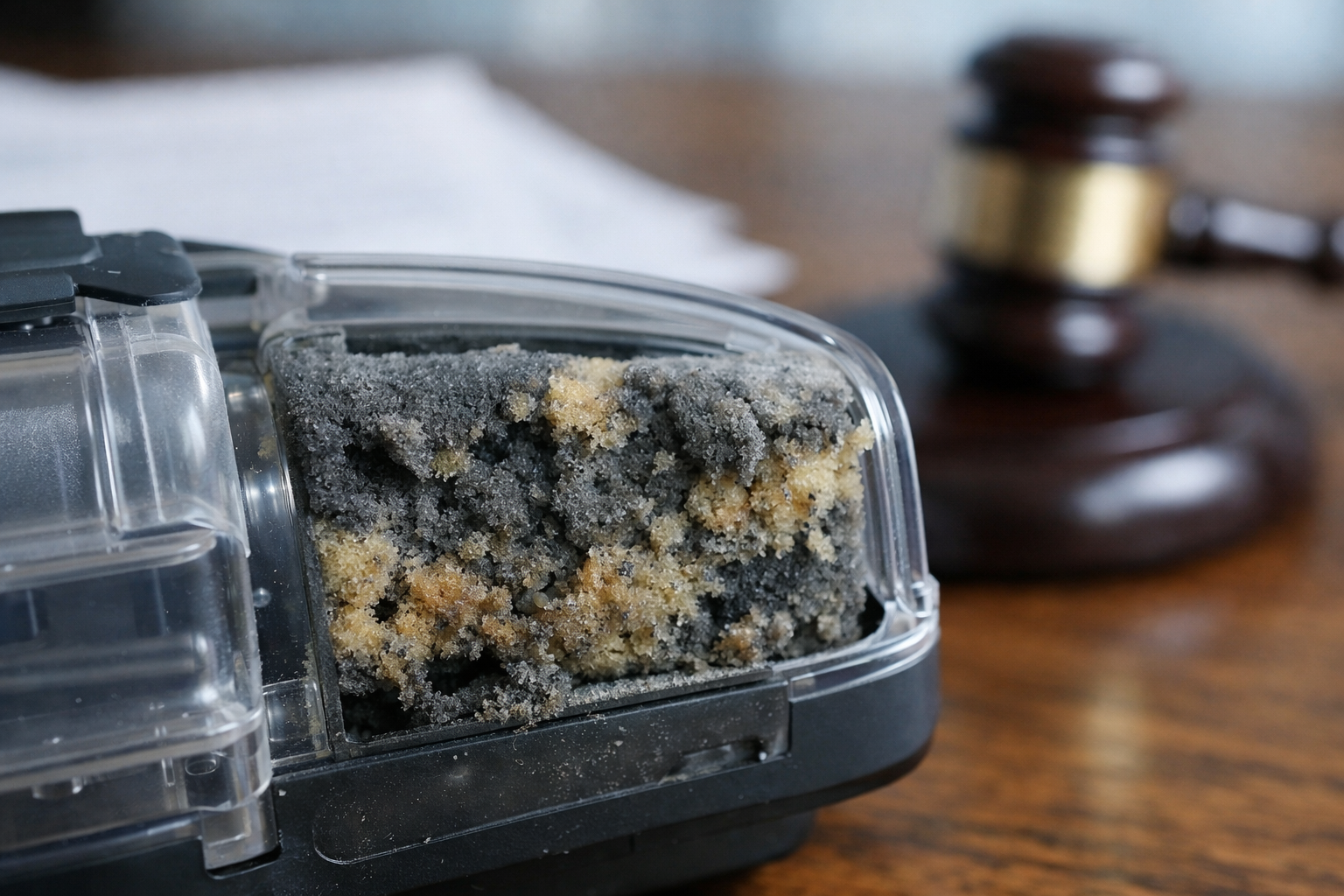
The trouble centers on a component most patients never thought about: PE-PUR sound abatement foam tucked inside Philips Respironics devices. Court filings and allegations paint a troubling picture. Over time, this foam breaks down, sending particles and gases into the air patients breathe while they sleep. The consequences, according to claims in the case, have been severe:
- Cancer diagnoses
- Respiratory infections
- Asthma exacerbation
- Pneumonia
- Organ damage
- Headaches and nausea
The numbers tell a grim story. FDA data shows more than 105,000 complaints tied to the defective foam, with at least 385 deaths reported as potentially foam-related. Those figures drove home just how serious this manufacturing defect had become, ultimately triggering a worldwide recall.
What Philips Knew and When It Knew It
The most damaging revelations emerged from internal documents that surfaced in June 2022. They showed Philips was aware of risks associated with the PE-PUR foam as far back as 2015. The company's own testing flagged toxicity and carcinogenicity concerns, yet Philips kept manufacturing and selling devices containing the problematic material.
Plaintiffs argue the company violated Federal Food, Drug & Cosmetic Act manufacturing standards and kept selling devices even as consumer complaints mounted and FDA findings pointed to the foam's dangers. That central accusation—that Philips knew but didn't tell—became the backbone of the litigation.
Timeline of the Recall and Litigation
The case has unfolded over several years, revealing a long window during which patients used potentially dangerous devices:
- 2015 and Earlier: Philips receives initial complaints and conducts internal testing that reveals toxicity concerns, but issues no public warnings.
- June 2021: Philips announces a global recall affecting roughly 4 million devices.
- 2021: Multiple lawsuits get consolidated into MDL No. 3014 in Pennsylvania federal court.
- June 2022: Court documents become public, revealing Philips knew about the defect years earlier.
- May 2023: Judge Conti extends litigation deadlines to allow for more discovery and settlement talks.
- September 2023: A $479 million class settlement covering economic losses is reached, with initial payments starting in early 2024.
- April 2024: The comprehensive $1.1 billion settlement for personal injury and medical monitoring claims ($1.075 billion for personal injury, $25 million for medical monitoring) is reached and approved. The FDA also issues a consent decree and permanent injunction against Philips, suspending production and requiring a remediation plan.
- January 2026: Judge Flowers remands a CPAP cancer lawsuit to Kentucky state court; the claims period for the economic loss class settlement ends March 7, 2026.
Settlement Details and Consumer Payouts
The settlements provide compensation to affected consumers, though the structure varies depending on the type of claim. The $479 million economic loss class settlement, which kicked in during the first quarter of 2024, delivered payments ranging from about $50 to $1,500 per affected consumer. The amount depended on factors like device model, how long someone used it, and documented health impacts. That claims period closed March 7, 2026.
The larger $1.1 billion settlement addresses personal injuries and provides for medical monitoring over 15 years. While the settlement resolves most claims in the MDL, some cases continue, including remands to state courts and cross-claims against third parties like SoClean, a company that makes ozone-based cleaning devices that some allege accelerated foam degradation.
Who Is Affected and What This Means
Millions of patients who used recalled Philips Respironics CPAP, BiPAP, or ventilator devices before the June 2021 recall potentially qualify as affected consumers. These machines are prescribed for sleep apnea, a common disorder that disrupts breathing during sleep. Anyone who used these devices before the recall announcement and wasn't aware of the defect may have been eligible for compensation through the class settlements.
Beyond the dollar figures, this litigation represents something larger: a case where a major medical device manufacturer allegedly put profits ahead of patient safety by continuing to distribute devices it knew contained a degrading material that could cause serious harm. The discovery process laid bare that Philips had internal knowledge of these risks for years before issuing a public recall, raising pointed questions about corporate responsibility and how well regulators can police the medical device industry.
Ongoing Legal Proceedings
As of 2026, the major economic and personal injury settlements have been reached and approved, and the MDL has largely wrapped up with the $1.1 billion deal. Still, some individual cases persist, including remands like the January 2026 Kentucky state court transfer. Cross-claims against SoClean—alleging that ozone cleaners accelerated foam degradation—also remain in play. The FDA consent decree keeps Philips under the microscope, with production suspended until the company meets required standards. Judge Joy Flowers Conti continues to oversee the federal proceedings in Pennsylvania.
What Affected Consumers Should Know
If you used a recalled Philips Respironics CPAP, BiPAP, or ventilator device, here's what you should consider:
- Check Your Device: Find out whether your device is part of the recall by reviewing Philips's official recall notice and checking your device's serial number.
- Document Your Usage: Keep records showing when you used the device, how many hours per day, and any health symptoms you experienced that might be tied to foam exposure.
- Preserve Medical Records: If you've sought treatment for respiratory issues, infections, or other health problems, hang onto documentation of those visits and any diagnoses.
- Consider Legal Counsel: Talk to an attorney who handles product liability cases to understand whether you might still have claims available, such as through state court cases or medical monitoring programs.
- Stay Informed: Keep an eye on updates from the court, FDA, and Philips about settlement distribution, remediation efforts, and any additional proceedings.
Broader Implications for Medical Device Safety
This litigation throws a spotlight on how medical devices are regulated and what happens when companies don't live up to their obligations. The allegation that Philips knew about the foam degradation problem for years before issuing a recall raises uncomfortable questions about how well manufacturers police themselves and how effectively federal agencies like the FDA catch and respond to safety concerns. The case shows what can happen when a company fails to promptly disclose known risks. It's a reminder that patients and healthcare providers need to stay alert to product safety information, even for widely prescribed medical devices.
The settlements and ongoing proceedings in MDL No. 3014 underscore an important principle: even devices prescribed by doctors and used by millions can harbor unexpected dangers, and consumers have legal options when manufacturers fail to adequately warn about defects or safety hazards.